
Over the Fence
Health and safety legislation sentencings expected
There are a number of developments in health and safety expected later this year. These include the first sentencings under the new Health and Safety at Work Act 2015 that are due to be released. As well, WorkSafe is expected to launch its Health and Safety Improvement Performance Toolkit. We will continue to monitor this and update you in the next edition of Rural eSpeaking due in summer.
Judgements of rural interest
Farmers unsuccessful in their claim against rural contractor
In May this year the High Court released its judgement in the case of A P and A W Hughes Limited v Lyall.[1] In 2014 Allan Lyall was contracted by A P and A W Hughes Limited to harvest a pea and barley crop for silage. When the silage was opened for feeding, which was three months after harvest, it was found to be in poor condition. The farmers attempted to sue the contractor for $300,000 worth of damage to the silage crop seeking compensation for the loss of winter feed.
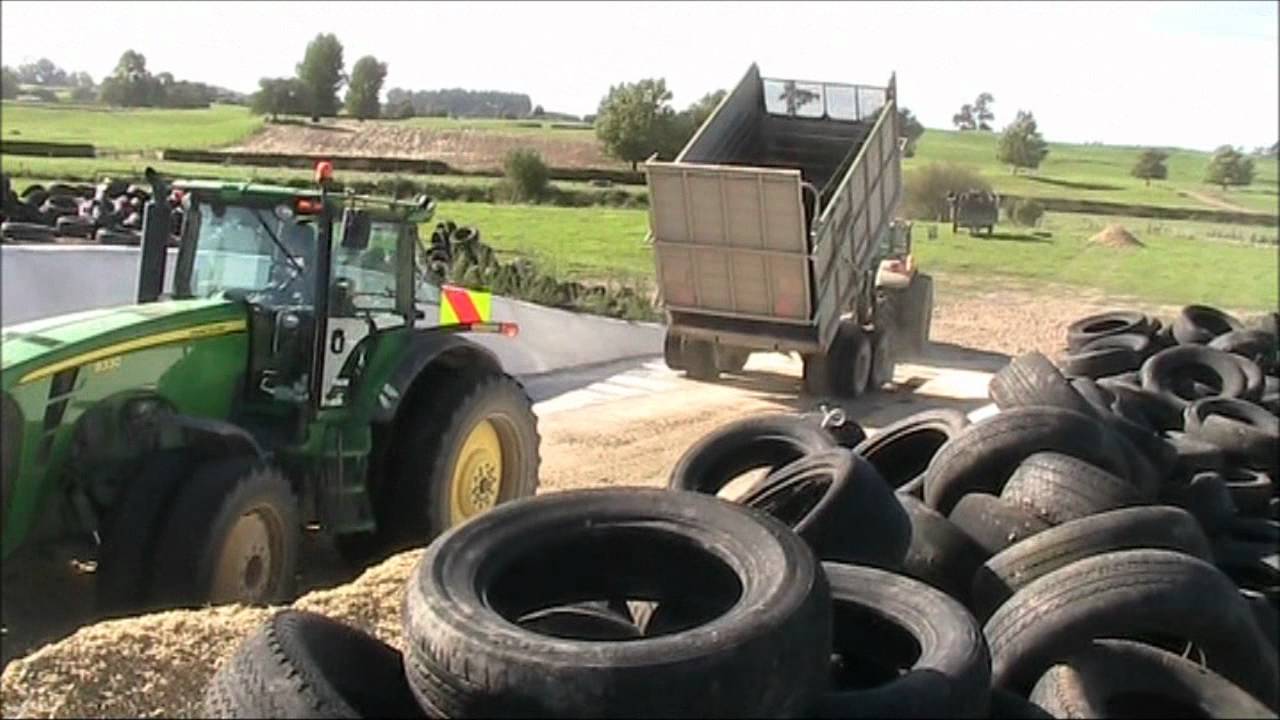
The High Court found that the contractor used the skills expected of a reasonably competent silage contractor to implement the fall-back option of cut rake and chop that was agreed to by the farmers at the time of harvest. Despite this, soil was still incorporated in the silage by this process resulting in a loss of silage quality. The judge found the silage was poor quality because the crop was over-matured when it was harvested and this was not the contractor’s fault; it was simply the consequence of adopting an option agreed to by the parties to address the circumstances.
The court considered whether there were implied terms in the verbal contract between the farmer and contractor. It concluded there were, but the scope of these must be considered in light of circumstances which dictate a change.
It is crucial, at all times, to remember the importance of verbal discussions when engaging or providing services, and how these are to be provided or undertaken.
Lease dispute, arbitration clauses often in standard agreements
In June this year, the High Court delivered its judgment in the case of Green Road Cattle Company Limited v Southhead Holdings Limited[2].
In 2016 lease arrangements were entered into by Green Road Cattle Company Limited to lease land from Southhead Holdings Limited. A standard form Federated Farmers lease was signed by both parties. It was acknowledged at the time that the land was not in the best condition for farming and, in acknowledgement of this, a lower rental was agreed for a portion of the lease period.
Differences arose over the extent of remediation and investment required to the property. The lessee asked to renegotiate the lease or not renew it. The lessor believed this amounted to a surrender of the lease by the lessee and gave an end date. The relationship between the parties deteriorated and cross applications were made to the court. Despite the lease agreement containing a dispute resolution clause providing for arbitration, as an interim measure the court maintained the status quo of the lease and restrained eviction of the lessee as long as its obligations under the lease were met. An order was made referring the parties to arbitration.
Arbitration involves the determination of a dispute by one or more independent third parties (the arbitrators) rather than by a court. The dispute resolution provisions in contractual arrangements are often overlooked. It is important, however, these are understood and followed when any dispute arises.
Bobby calf regulations
Further Ministry for Primary Industries new bobby calf regulations came into force on 1 August 2017. Details are available here.
[1] A P and A W Hughes Limited v Lyall [2017] HC 1109 [26 May 2017]
[2] Green Road Cattle Company Ltd v Southland Holdings Limited [2017] NZHC 1239 [8 June 2017]