Opportunities and limitations for the rural sector
The proposed New Zealand-India Free Trade Agreement (FTA) represents a significant development in the relationship between two very different agricultural economies.
India is now the world’s most populous country, with a rapidly growing middle class and increasing demand for high-quality goods and services. For New Zealand’s rural sector, the agreement creates many potential opportunities, although the benefits will not be evenly spread across all industries.
No dairy products
One of the most important features of the FTA is what it does not include. Dairy, New Zealand’s largest agricultural export sector, has largely been excluded from meaningful market access improvements. This reflects the political and economic importance of dairy farming within India, where millions of small-scale farmers rely on dairy production for income.
For New Zealand dairy farmers, this means the agreement is unlikely to deliver the type of transformational change experienced under previous trade agreements, such as improved access into China. Significant tariffs and restrictions on dairy products are expected to remain, limiting opportunities for products such as milk powder, butter and cheese.
Benefits to New Zealand however
While it may be disappointing for New Zealand’s largest export industry that the FTA does not include dairy, the wider rural sector could still benefit substantially:
The red meat sector may be one area with future opportunity: Although India is not traditionally viewed as a major market for New Zealand beef and lamb, changing demographics, urbanisation, tourism growth and increasing household incomes may support demand for premium imported meat products. High-end restaurants, hotels and specialist food retailers provide opportunities for New Zealand producers who are able to market themselves around quality, safety and traceability.
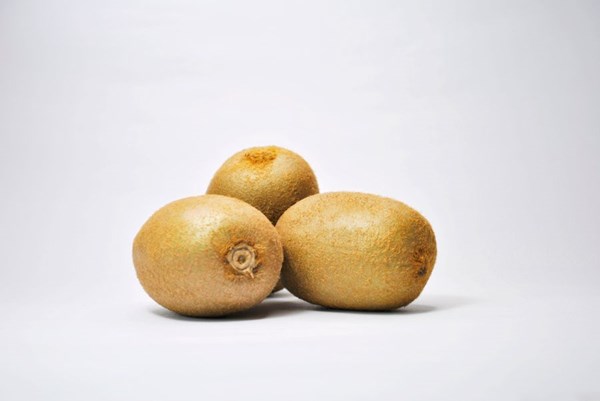
Horticulture could see meaningful benefit: New Zealand products such as kiwifruit, apples, cherries and other premium produce are well-positioned to appeal to India’s expanding middle class. Reduced tariffs, improved customs processes and stronger trading relationships could make these products more competitive. For growers, increased access to a market of more than 1.4 billion people provides an important opportunity to diversify beyond existing export destinations.
Forestry may also benefit from closer trade ties: India’s growing population and continued urban development are creating increasing demand for construction materials and wood products. New Zealand’s forestry industry, including exporters of logs and processed timber, may be well placed to satisfy this demand as India continues investment in housing and infrastructure.
Opportunities for the wool and fibre industries: While wool has faced significant challenges in recent years, India’s large textile and manufacturing sectors could create opportunities for high-quality New Zealand wool products. A stronger trading relationship may assist producers seeking new markets beyond traditional buyers.
FTA will go beyond the farm gate
The benefits of increased trade are unlikely to stop at the farm gate. Rural contractors, transport companies, processors, ports, professional advisers and technology providers may all benefit from increased export activity. New Zealand’s expertise in agricultural technology, animal genetics, environmental management and efficient farming systems may also create opportunities to export knowledge, not just physical products.
However, rural businesses should approach this new market carefully. India is a complex economy with different legal systems, regulations and commercial practices. Businesses considering expansion will need to carefully manage contracts, payment terms, intellectual property protection, biosecurity requirements and supply chain arrangements. Good professional advice will be vital to succeed in India.
There are also concerns that increased trade can create competitive pressures. While New Zealand’s agricultural sector is highly efficient, cheaper imported goods, labour differences, and different production standards can create tension. Ensuring fair competition and maintaining New Zealand’s reputation for quality will remain essential.
The exclusion of dairy means the FTA is unlikely to be a complete solution for New Zealand agriculture. The sector that has historically delivered the greatest export value may receive the least immediate benefit. For other rural industries, however, particularly horticulture, forestry, sheep and beef, and specialised agricultural services, the FTA could provide valuable long-term opportunities.
Ultimately, the success of the FTA for rural New Zealand will depend less on the signing of the document itself, and more on the ability of producers and exporters to identify opportunities, manage risk and build lasting relationships in one of the world’s fastest-growing economies.
FTA still to be ratified
While the FTA has been signed, it is still currently undergoing domestic ratification. It has now passed its first reading in Parliament and is currently being reviewed by the Foreign Affairs, Defence and Trade Committee.
After the committee process is completed, the legislation must still pass its remaining readings before the FTA formally comes into force.
DISCLAIMER: All the information published in Rural eSpeaking is true and accurate to the best of the authors’ knowledge. It should not be a substitute for legal advice. No liability is assumed by the authors or publisher for losses suffered by any person or organisation relying directly or indirectly on this newsletter. Views expressed are those of individual authors, and do not necessarily reflect the view of Edmonds Judd. Articles appearing in Rural eSpeaking may be reproduced with prior approval from the editor and credit given to the source.
Content Copyright © NZ LAW Limited, 2026. Editor: Adrienne Olsen. E-mail: [email protected] Ph: 029 286 3650